
In a world where sustainable living meets breathtaking natural beauty, few homes capture the imagination quite like this off-grid shipping container cabin in Rooi-Els, South Africa. Overlooking the vast Indian Ocean from its cliffside perch, this innovative structure blends modern luxury with eco-conscious design. The aerial view you shared showcases its unique cross-shaped layout, elevated on steel piers, with solar panels crowning the roof and wooden cladding giving it a warm, inviting aesthetic against the rugged coastal landscape. It’s not just a house—it’s a testament to how repurposed materials can create a harmonious retreat in one of the planet’s most stunning locations.
This cabin, available as a guest house on Airbnb, exemplifies the growing trend of container architecture that’s both functional and fabulous. Built from shipping containers prefabricated off-site and craned into place, it minimizes site disturbance while maximizing views. Let’s dive deeper into what makes this cliffside gem a standout in sustainable living.
The Location: A Cliffside Haven in Rooi-Els
Nestled just outside the quaint seaside town of Rooi-Els in South Africa’s Western Cape, this cabin commands panoramic views of the Indian Ocean. The cliffside setting isn’t just scenic—it’s strategic. Elevated on steel piers, the structure is protected from coastal moisture and erosion, ensuring longevity in a harsh environment. The surrounding landscape, with its winding gravel road and lush greenery, adds to the sense of seclusion and adventure. Imagine waking up to the sound of waves crashing below and whales breaching in the distance during migration season. It’s the ultimate escape for nature lovers seeking tranquility without sacrificing comfort.
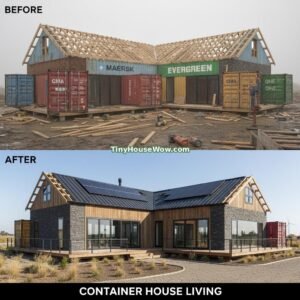
Similar cliffside retreats inspire awe worldwide, blending architecture with dramatic landscapes.
Design and Construction: From Cargo to Cabin
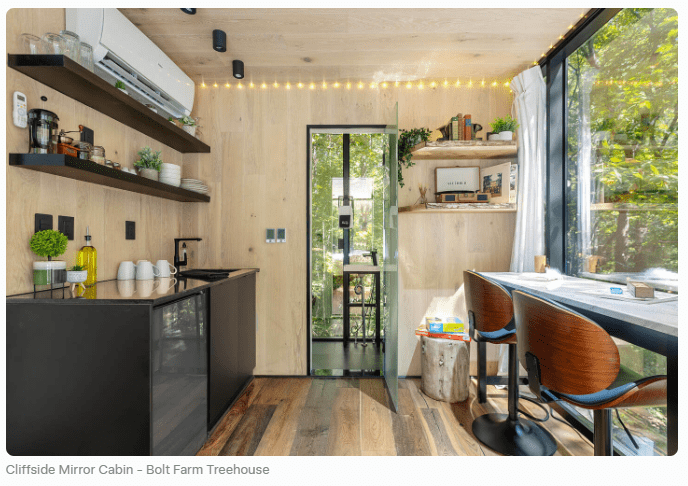
At its core, this home is a marvel of modular design. Constructed from repurposed shipping containers, it was built off-site to reduce environmental impact and then dramatically craned onto the cliff. The cross-shaped configuration—visible in the aerial shot—creates a central hub that connects the living spaces, allowing for efficient use of space and optimal airflow. The exterior features a sleek black paint job beneath steel and wood cladding, which not only provides durability against the elements but also helps the structure blend into the shadowy cliffs.
Key construction highlights include:
- Elevation on Steel Piers: This cantilevered foundation lifts the cabin above the ground, preventing moisture damage and offering unobstructed views from the decks.
- Prefabrication: By building modules in a controlled environment, the project minimized waste and construction time on-site.
- Materials: A mix of steel for strength and wood for warmth, creating a rustic yet modern vibe.
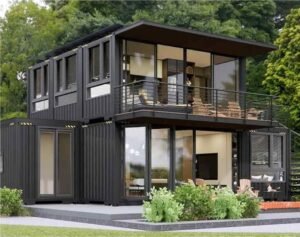
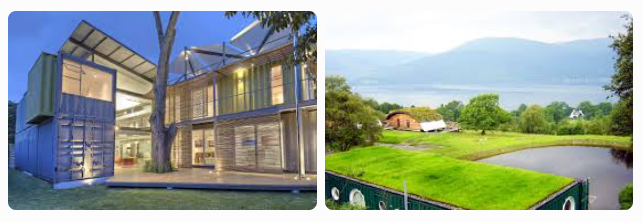
This approach echoes other eco-friendly container projects, where upcycling turns industrial waste into architectural wonders.
Sustainability Features: Powered by the Sun
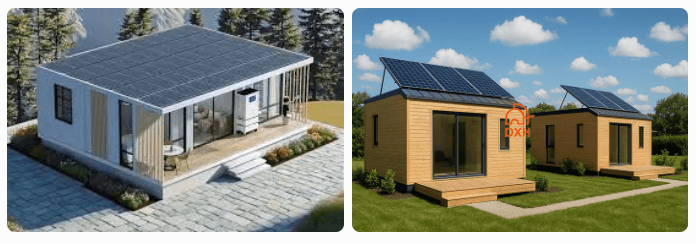
What truly sets this cabin apart is its off-grid capabilities. Rooftop solar panels harness the abundant South African sunshine, providing all the energy needed during the day, with backup batteries kicking in at night. This setup ensures a completely sustainable power source, reducing reliance on the grid and lowering the carbon footprint. Water systems likely incorporate rainwater harvesting (common in such designs), and the elevated structure promotes natural ventilation to keep things cool without air conditioning.
In an era of climate consciousness, integrating solar into modular homes is becoming standard. These panels not only power lights and appliances but also symbolize a commitment to green living.
Interior Layout: Cozy, Modern, and View-Focused
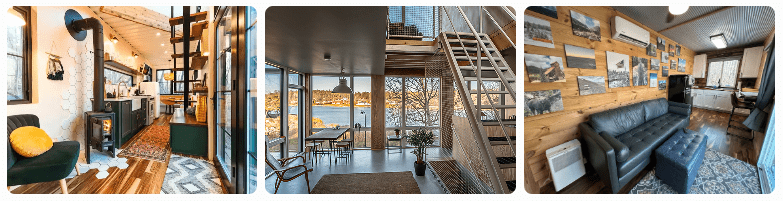
Step inside, and the cabin reveals a thoughtful two-bedroom, one-and-a-half-bathroom layout designed for up to four guests. The interior embraces a minimalist palette of muted colors, natural textures, and hardwood flooring, creating a serene atmosphere that complements the outdoor vistas.
- Kitchen: A sleek black-themed space with wooden countertops, a gas stove, oven, and ample storage. The kitchen island doubles as a prep area and casual dining spot, perfect for whipping up meals with ocean views.
- Living and Dining Area: The heart of the home features a comfortable couch, a wood-burning fireplace for cozy evenings, and a large dining table seating six. High ceilings enhance the sense of space, while floor-to-ceiling glass windows and folding doors blur the line between indoors and out, allowing cross breezes for natural cooling.
- Bedrooms: The main bedroom boasts a queen bed, custom wardrobe, and direct deck access. The second bedroom has twin beds and built-in storage, ideal for kids or guests.
- Bathrooms: A full bath with a tiled shower, double vanities, and natural light from windows; a half-bath serves the guest area.
Interiors in container homes often prioritize efficiency and light, as seen in these examples.
Outdoor Amenities: Decks, Hot Tubs, and Hammocks
The real showstopper? The expansive outdoor deck that wraps around the cabin, offering sheltered spots for al fresco dining and relaxation. Highlights include:
- A hot tub for soaking under the stars.
- Braai (South African barbecue) facilities for grilling fresh seafood.
- Net hammocks cantilevered off the cliff’s edge, providing a thrilling “floating” experience with uninterrupted ocean views.
- Seating areas with tables and chairs, perfect for morning coffee or sunset cocktails.
These elements transform the cabin into a full-fledged retreat, emphasizing connection to nature.
Why This Cabin Inspires: The Future of Sustainable Architecture
This Rooi-Els cabin isn’t just a pretty picture—it’s a blueprint for the future. By repurposing shipping containers, incorporating solar power, and respecting its cliffside site, it demonstrates how innovative design can tackle environmental challenges while delivering luxury. Challenges like coastal weather are met with smart engineering, and the benefits—low maintenance, energy independence, and jaw-dropping views—make it a dream for eco-travelers.
If you’re inspired to book a stay or dream up your own container home, check out similar projects for ideas. What do you love most about this design—the views, the sustainability, or the clever layout? Share in the comments!
(Based on designs like the Rooi-Els Eco-Cabin, as featured in architectural showcases and Airbnb listings.)