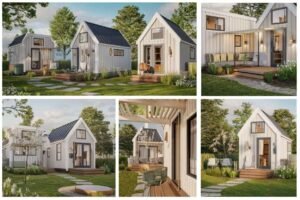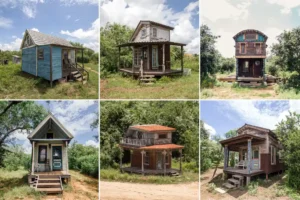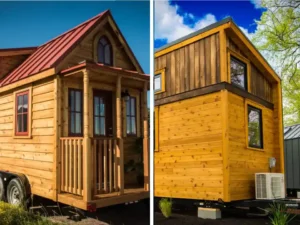
In recent years, the tiny house movement has exploded in popularity, appealing to those seeking simplicity, sustainability, and financial freedom. But what exactly are tiny houses, and what types are available? If you’re curious about downsizing your living space without sacrificing comfort, this comprehensive guide will break down the various types of tiny houses. We’ll explore their unique features, pros, cons, and real-world applications, helping you decide which might suit your lifestyle. Whether you’re a minimalist, an eco-enthusiast, or just exploring alternative housing options, understanding the types of tiny houses is the first step toward making an informed choice.
Tiny houses typically range from 100 to 400 square feet, emphasizing efficient design and multifunctional spaces. They challenge traditional notions of homeownership by promoting less consumption and more intentional living. As we dive into the types of tiny houses explained below, you’ll see how diverse this category can be—from mobile options to permanent structures.
What is a Tiny House?
Before we delve into the specifics, let’s clarify what constitutes a tiny house. A tiny house is a small, fully functional dwelling that prioritizes space optimization and often incorporates eco-friendly materials. Unlike RVs or campers, tiny houses are built to resemble traditional homes, complete with kitchens, bathrooms, and sleeping areas. The movement gained traction in the early 2000s, fueled by economic pressures, environmental concerns, and a desire for mobility.
According to industry experts, tiny houses can be custom-built, prefabricated, or even DIY projects. They often adhere to building codes, though regulations vary by location. For SEO purposes, if you’re searching for “types of tiny houses,” you’re likely interested in options that balance affordability, portability, and style.
Benefits of Living in a Tiny House
Why choose a tiny house over a conventional home? Here are some key advantages:
- Affordability: Tiny houses cost significantly less to build and maintain, often ranging from $20,000 to $100,000.
- Sustainability: Smaller spaces mean lower energy consumption, reduced waste, and opportunities for off-grid living.
- Mobility: Many types allow you to relocate easily, ideal for nomads or those avoiding property taxes.
- Simplicity: Downsizing forces you to declutter, leading to a more mindful lifestyle.
- Customization: Despite the size, tiny houses can be tailored to personal needs, from solar panels to loft bedrooms.
Of course, challenges exist, like limited space for families or zoning restrictions. But for many, the pros outweigh the cons.
Exploring the Different Types of Tiny Houses
Now, let’s get into the heart of this article: the types of tiny houses explained in detail. We’ll cover the most popular variations, including their construction, ideal uses, and considerations.
1. Tiny Houses on Wheels (THOWs)
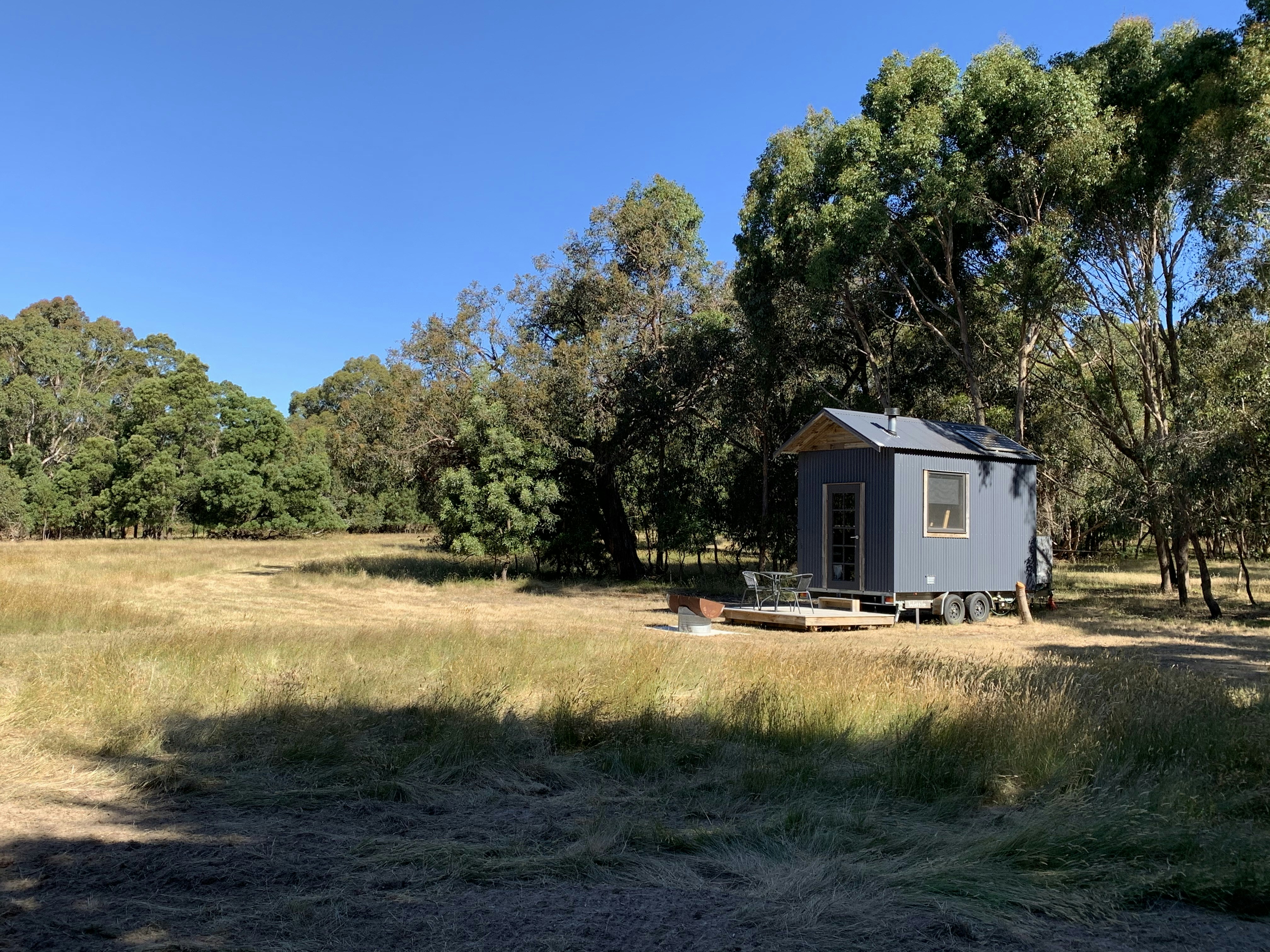
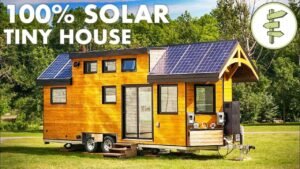
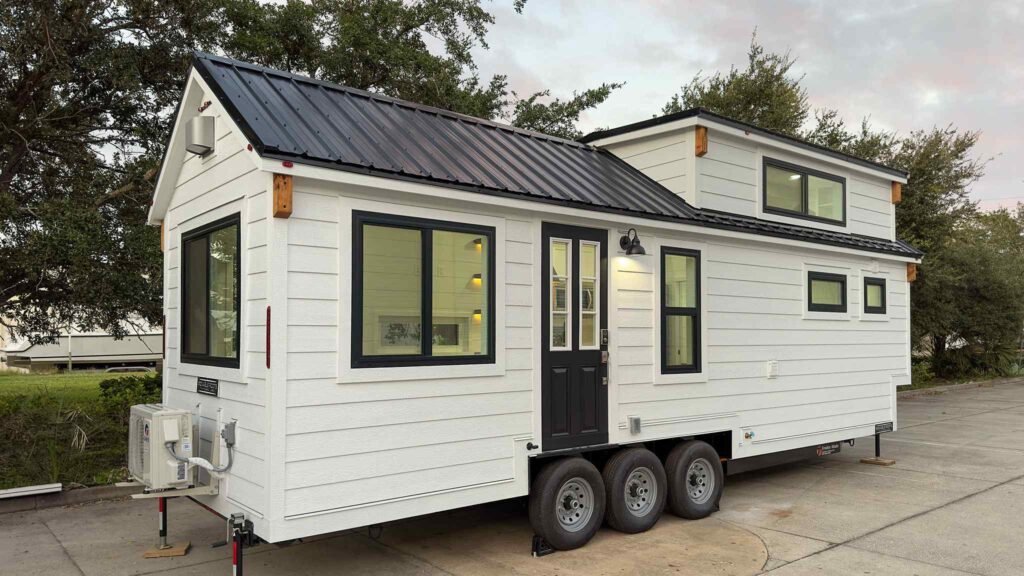
Tiny houses on wheels, or THOWs, are among the most iconic and versatile types of tiny houses. These mobile homes are built on a trailer chassis, allowing owners to tow them like an RV. Typically measuring 8.5 feet wide and up to 40 feet long, THOWs often feature clever storage solutions, such as built-in stairs with drawers or fold-down furniture.
Pros:
- High mobility for travel or changing locations.
- Often bypass traditional building permits if classified as RVs.
- Customizable interiors with modern amenities.
Cons:
- Limited by road regulations (e.g., height and weight limits).
- Potential for higher insurance costs due to mobility.
- Less stable in extreme weather compared to fixed structures.
THOWs are perfect for adventurers or those testing the tiny living waters before committing to a permanent spot. Many enthusiasts start with a THOW and later transition to a foundation-based home.
2. Tiny Houses on Foundations
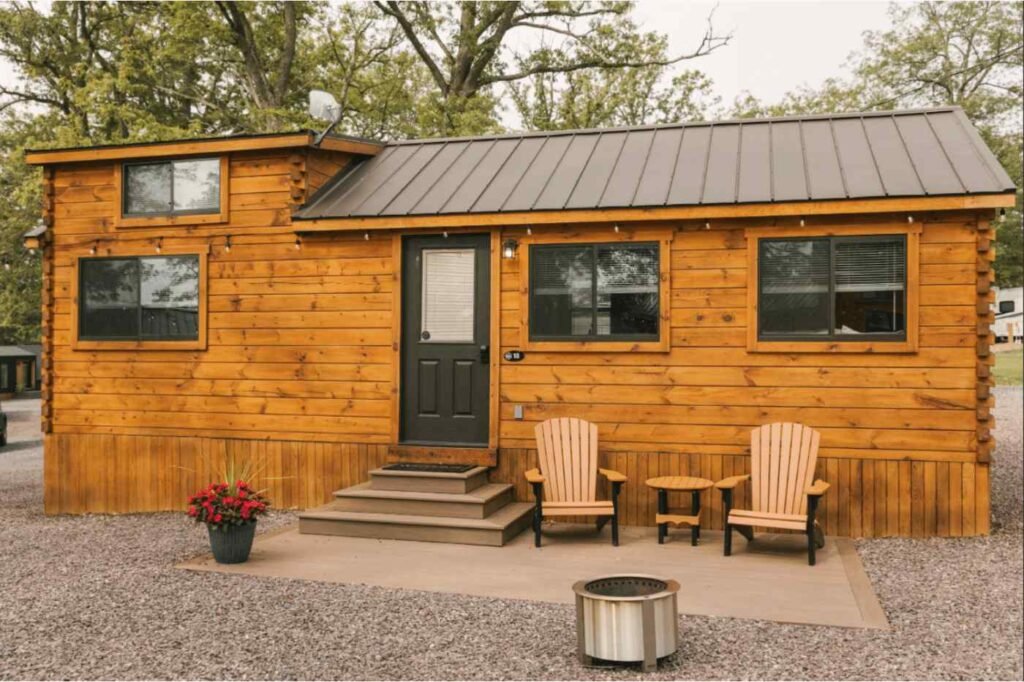
For those preferring stability over mobility, tiny houses on foundations offer a more traditional housing feel. These are built directly on a permanent base, such as concrete slabs or pier-and-beam systems, and can be integrated into existing neighborhoods or rural lots.
This type often allows for slightly larger footprints since there’s no need to fit on a trailer. Designs might include porches, gardens, or even small additions over time.
Pros:
- Greater durability and weather resistance.
- Easier to finance as real estate (not vehicles).
- Potential for appreciation in value if on owned land.
Cons:
- Requires land ownership or long-term leasing.
- Subject to local zoning laws and building codes.
- Less flexible for relocation.
Ideal for families or retirees seeking a low-maintenance home, foundation tiny houses blend the tiny ethos with conventional living.
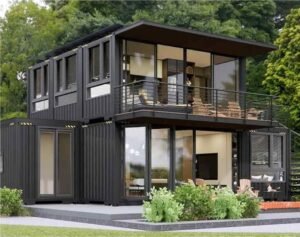
3. Shipping Container Tiny Houses
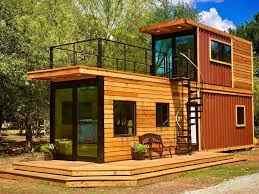
Repurposing shipping containers into homes is a sustainable twist on tiny living. These steel boxes, typically 20 or 40 feet long, are stacked or modified to create compact, industrial-style dwellings. Insulation, windows, and doors are added to make them habitable.
Shipping container tiny houses appeal to eco-conscious builders, as they recycle materials that might otherwise go to waste.
Pros:
- Extremely durable and resistant to pests/fire.
- Quick assembly—often completed in weeks.
- Cost-effective, starting around $10,000 per container.
Cons:
- Potential for rust or condensation without proper treatment.
- Limited natural light unless extensively modified.
- Zoning challenges in some areas due to non-traditional appearance.
These are great for urban lots or off-grid setups, offering a modern, minimalist aesthetic.
4. Modular Tiny Houses
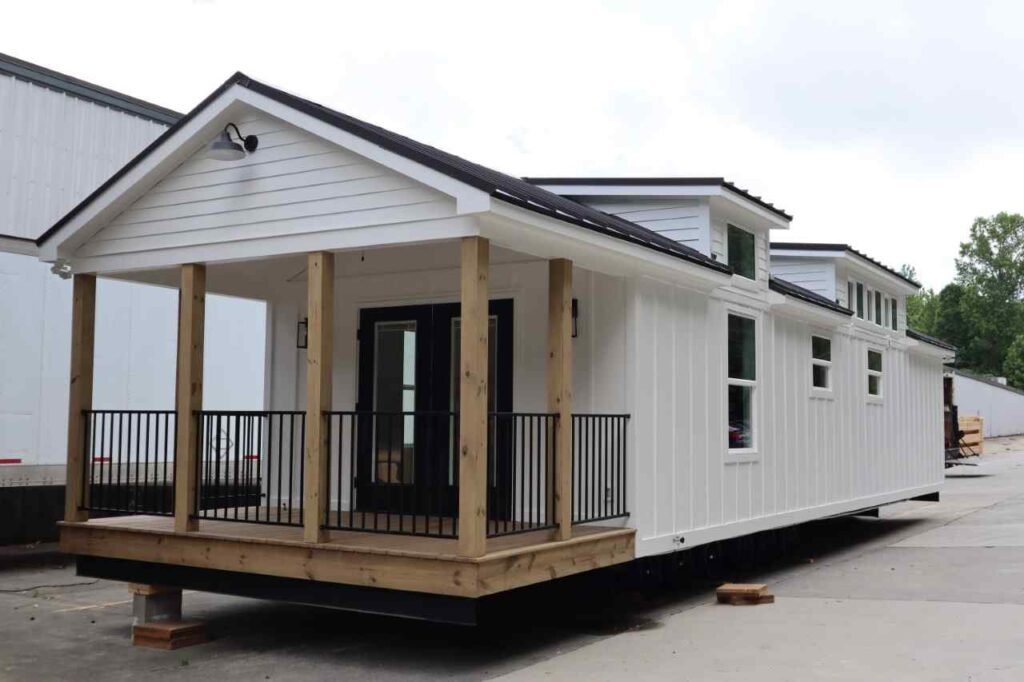
Modular tiny houses are prefabricated in factories and assembled on-site, much like larger modular homes. They come in sections that snap together, allowing for quick setup and customization.
This type emphasizes efficiency, with options for expandable designs or multi-level configurations.
Pros:
- High-quality construction in controlled environments.
- Faster build times and reduced labor costs.
- Scalable—add modules as needs grow.
Cons:
- Transportation costs for delivery.
- May require cranes for assembly.
- Less DIY-friendly than other types.
Modular options suit busy professionals who want a turnkey solution without the hassle of on-site building.
5. Converted Vehicle Tiny Houses (e.g., Skoolies)
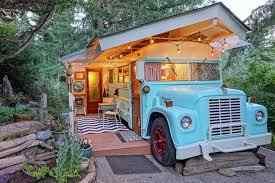
Converted vehicles, like school buses (skoolies) or vans, transform everyday transport into rolling homes. A skoolie involves gutting a bus and outfitting it with living quarters, while van conversions focus on stealth and compactness.
These are budget-friendly entry points into tiny living.
Pros:
- Affordable base vehicles (buses from $5,000).
- Ultimate mobility for full-time travel.
- Creative freedom in interior design.
Cons:
- Maintenance issues from older vehicles.
- Fuel inefficiency and parking restrictions.
- Limited space compared to built tiny houses.
Popular among digital nomads, converted vehicles embody the “van life” trend.
6. Yurts and Dome Tiny Houses
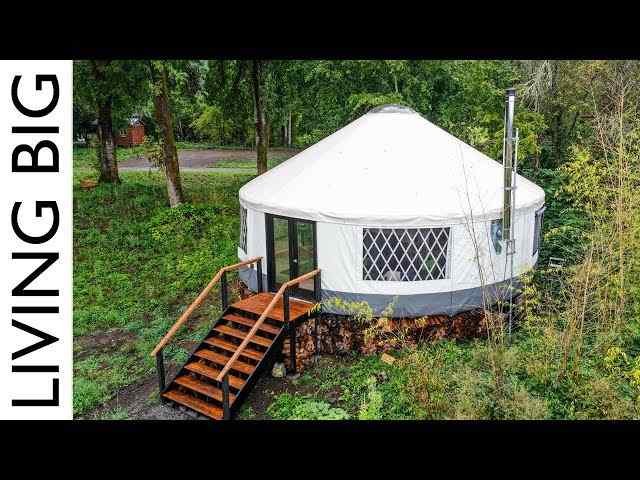
Yurts, inspired by Mongolian nomads, are circular tents with lattice walls and a domed roof, often made modern with insulation and plumbing. Domes, similar but geodesic, use triangular panels for strength.
Both offer a unique, open-floor plan feel.
Pros:
- Quick setup and portability (yurts can be disassembled).
- Excellent natural ventilation and light.
- Eco-friendly with low material use.
Cons:
- Vulnerable to high winds or heavy snow.
- May not meet all building codes.
- Limited privacy in open designs.
These are ideal for glamping or off-grid retreats in nature.
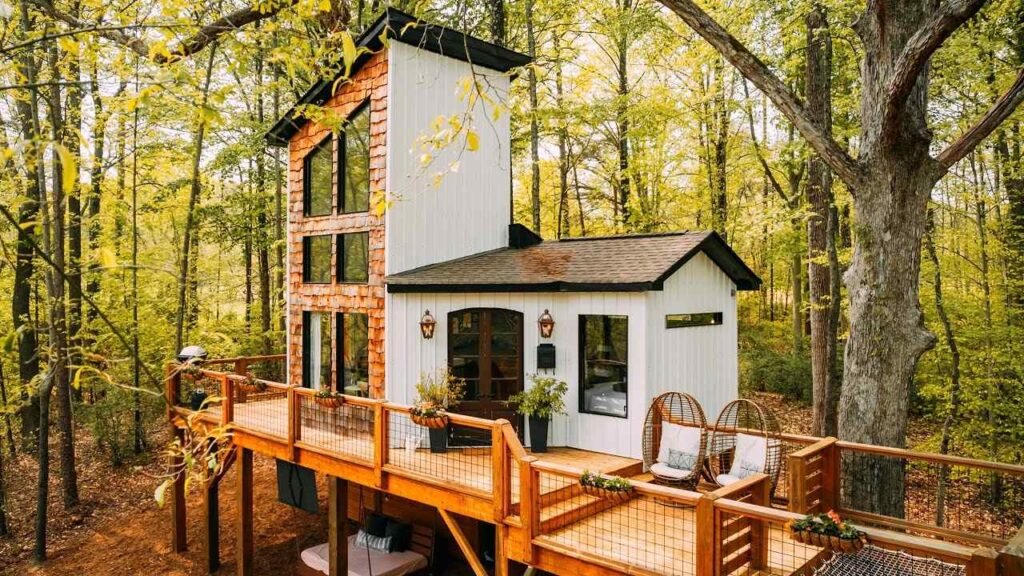
7. Treehouse Tiny Houses
Elevated among the branches, treehouse tiny houses combine adventure with sustainability. Built on stilts or around trees, they feature platforms, rope bridges, and compact interiors.
Pros:
- Immersive nature experience.
- Minimal ground footprint.
- Fun, whimsical design.
Cons:
- High construction costs due to engineering.
- Accessibility issues (stairs/ladders).
- Weather and tree health dependencies.
Perfect for vacation rentals or eco-tourism.
8. Floating Tiny Houses
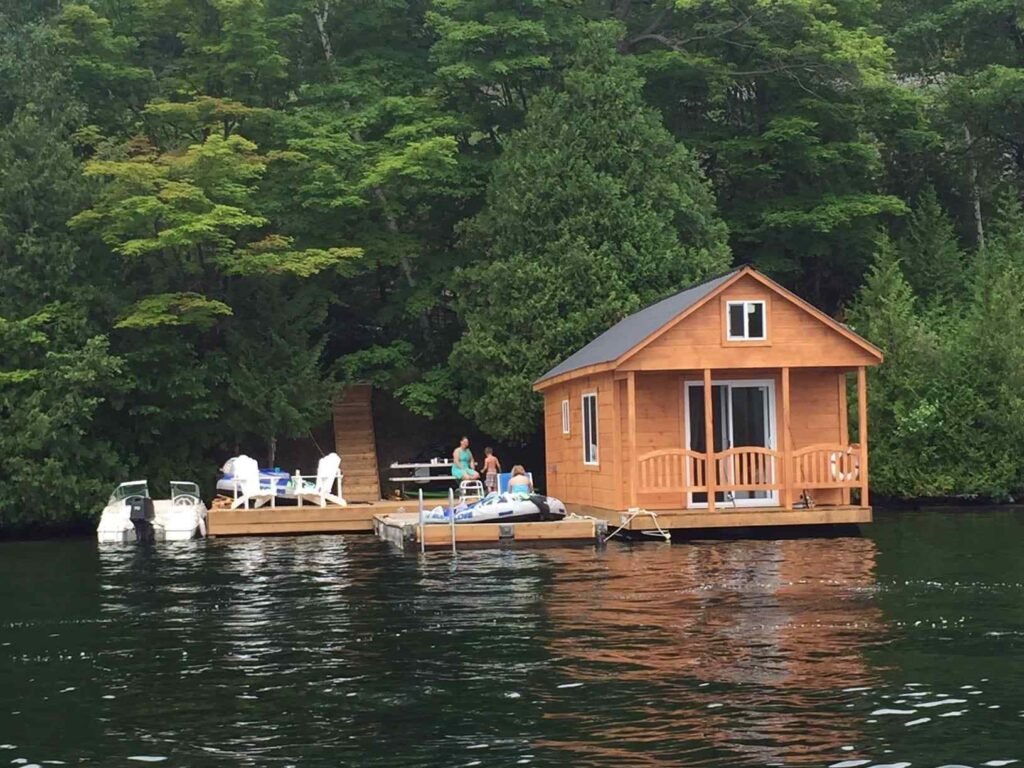
Floating tiny houses, or houseboats, are built on pontoons or barges for water-based living. They include all essentials while bobbing on lakes or rivers.
Pros:
- Unique waterfront views.
- Off-grid potential with solar/water systems.
- Mobility on water.
Cons:
- Marina fees and regulations.
- Susceptible to waves and flooding.
- Limited in cold climates due to ice.
Suited for water lovers seeking serenity.
Choosing the Right Type of Tiny House for You
With so many types of tiny houses explained, how do you pick one? Consider your lifestyle: Do you crave mobility (THOWs or skoolies) or permanence (foundations or modular)? Budget, location, and family size also play roles. Research local laws, as some areas restrict tiny homes.
In conclusion, the tiny house movement offers endless possibilities for sustainable, affordable living. Whether you’re drawn to a shipping container’s ruggedness or a yurt’s simplicity, exploring these types can inspire your next adventure. If you’re ready to downsize, start small—literally—and see how a tiny house can lead to a bigger life. For more tips on tiny living, check out our related posts on tiny house design ideas or off-grid setups.