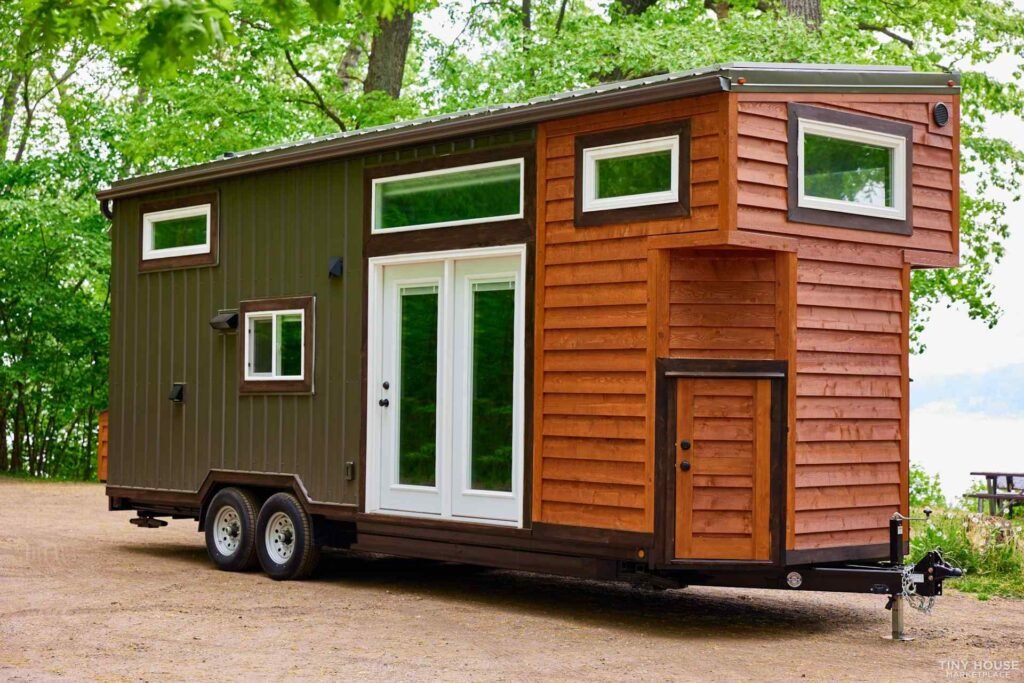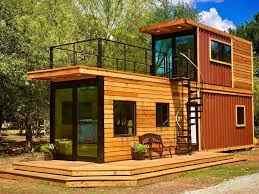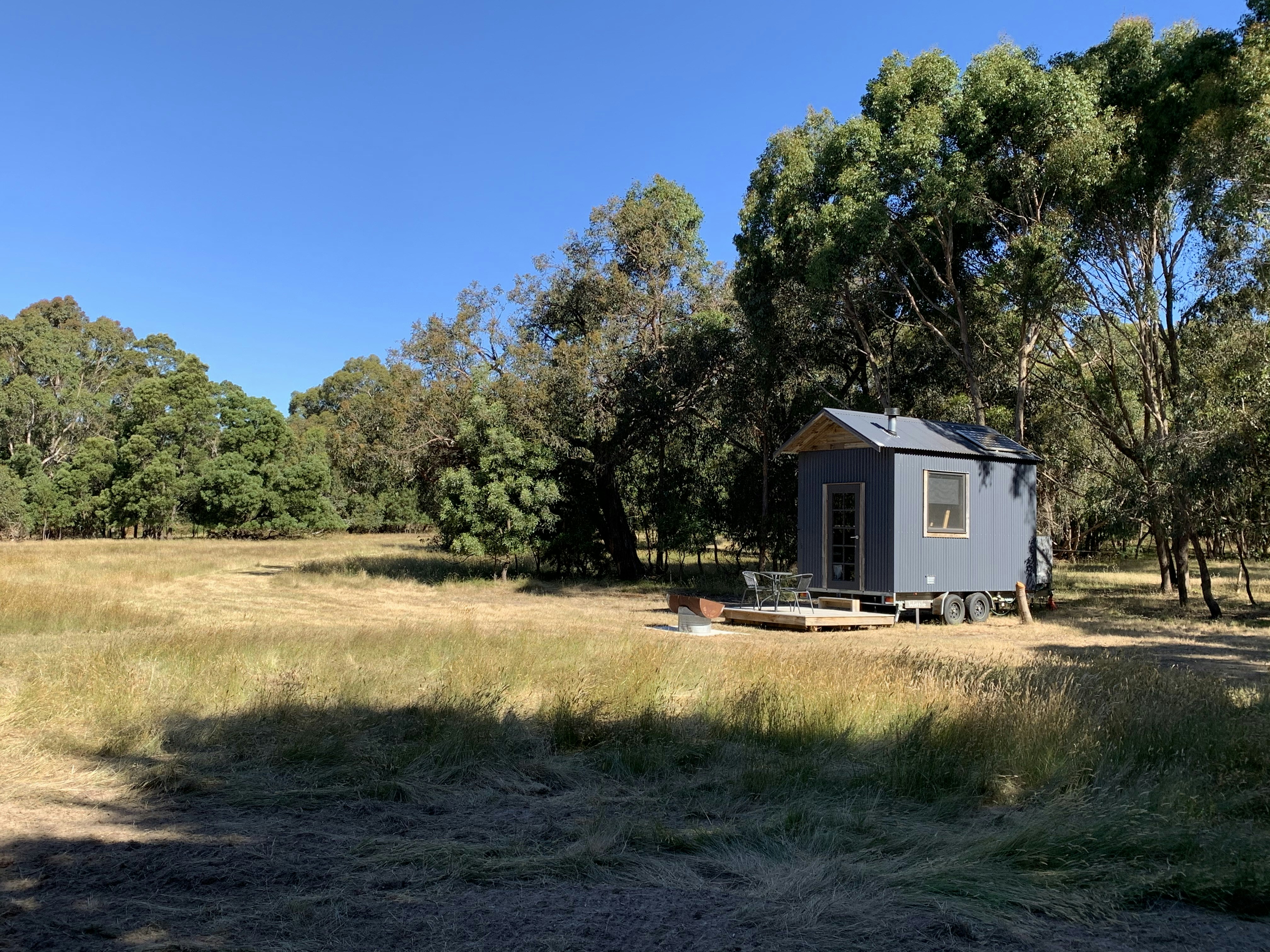
Living off-grid in a tiny house is an appealing choice for those seeking sustainability, independence, and minimalism. Off-grid systems allow you to disconnect from public utilities while maintaining essential comforts like electricity, water, and waste management. In this guide, we’ll explore the key systems needed for off-grid tiny house living, including setup tips, costs, and real-world considerations. Whether you’re building from scratch or retrofitting an existing tiny home, understanding these systems is crucial for a self-sufficient lifestyle.
Off-grid living means relying on renewable resources and efficient designs to handle power, water, sewage, heating, and more. With advancements in technology, it’s more accessible than ever—costs can range from $5,000 for basic setups to over $50,000 for fully equipped systems. Factors like location, climate, and energy needs will influence your choices. Let’s break it down by category.
Power Systems for Off-Grid Tiny Houses
The cornerstone of off-grid living is a reliable energy source. Solar power dominates this space due to its scalability and decreasing costs.
Solar Panels and Kits
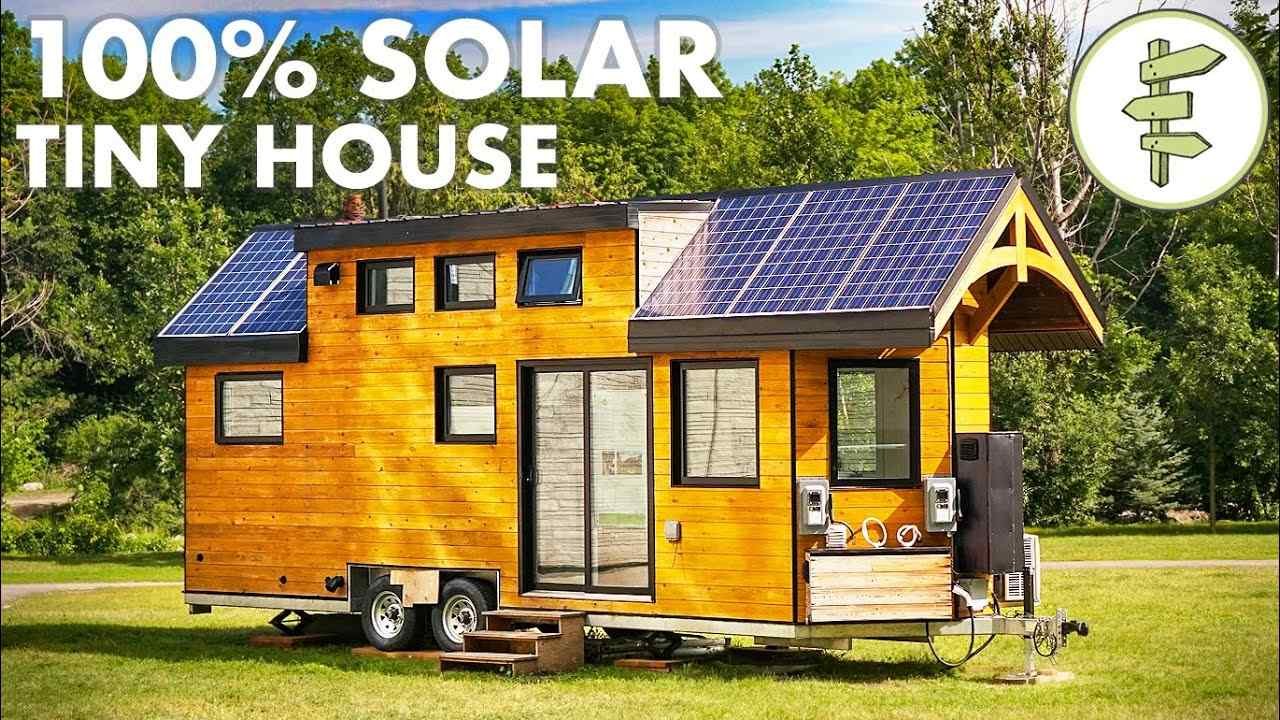
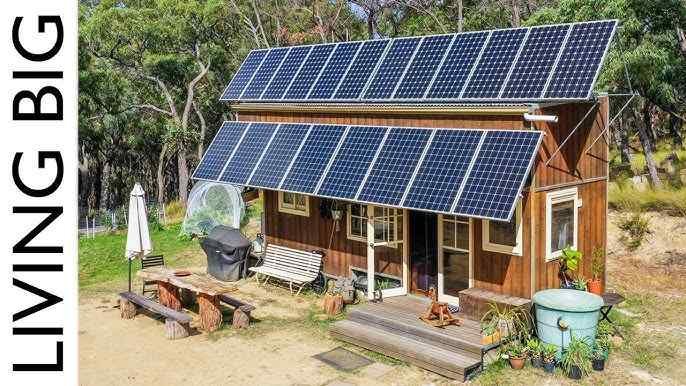
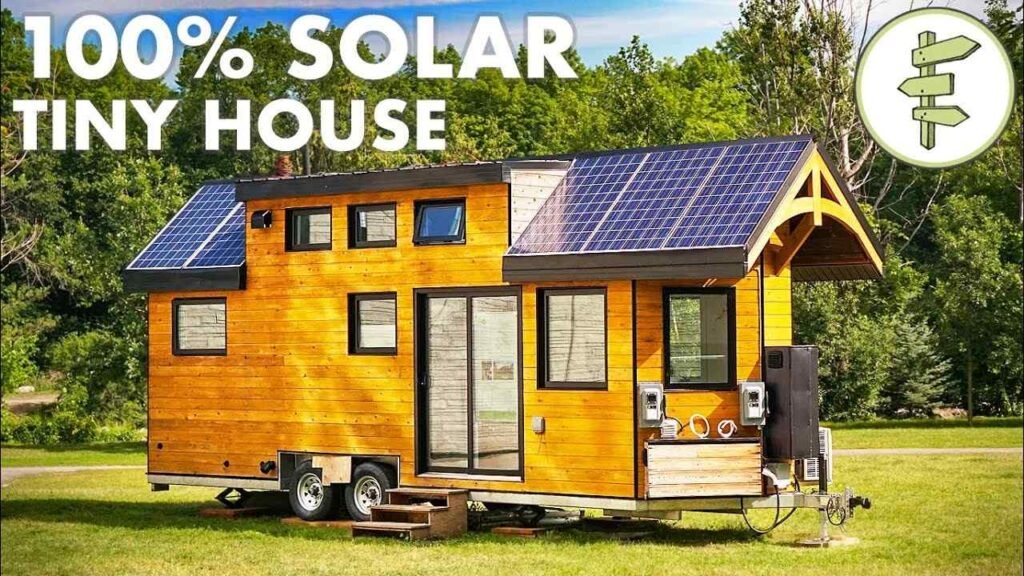
Most off-grid tiny houses use photovoltaic (PV) solar panels to generate electricity. A typical setup includes panels mounted on the roof or ground, capturing sunlight to charge batteries. For a 200-400 sq ft tiny house, you’ll need 2-5 kW of solar capacity, depending on usage (e.g., lights, appliances, HVAC).
Popular options include complete kits from brands like Renogy, Rich Solar, or EcoFlow, which bundle panels, inverters, and batteries. These kits start at around $1,000 for basic 200W systems and go up to $10,000+ for comprehensive ones suitable for full-time living. For example, the EcoFlow Power Kit is designed specifically for tiny homes, offering expandable storage from 2-15 kWh.
Pros of solar: Low maintenance, silent operation, and potential tax incentives. Cons: High upfront costs and dependency on sunlight—supplement with wind turbines or generators in cloudy areas.
Batteries and Inverters
Batteries store excess energy for nighttime or bad weather. Lithium-ion batteries (e.g., Battle Born or Tesla Powerwall alternatives) are preferred over lead-acid for their longevity (10+ years) and efficiency. A 5-10 kWh bank is common for tiny houses.
Inverters convert DC power from panels/batteries to AC for household use. Look for hybrid models that handle charging too. Charge controllers prevent overcharging.
For a shared setup like multiple tiny house rentals, a centralized 10 kW+ system with large inverters can be cost-effective.
Water Systems
Water independence is vital, especially in remote locations. Off-grid tiny houses typically source water from nature and treat it for safety.
Collection and Storage
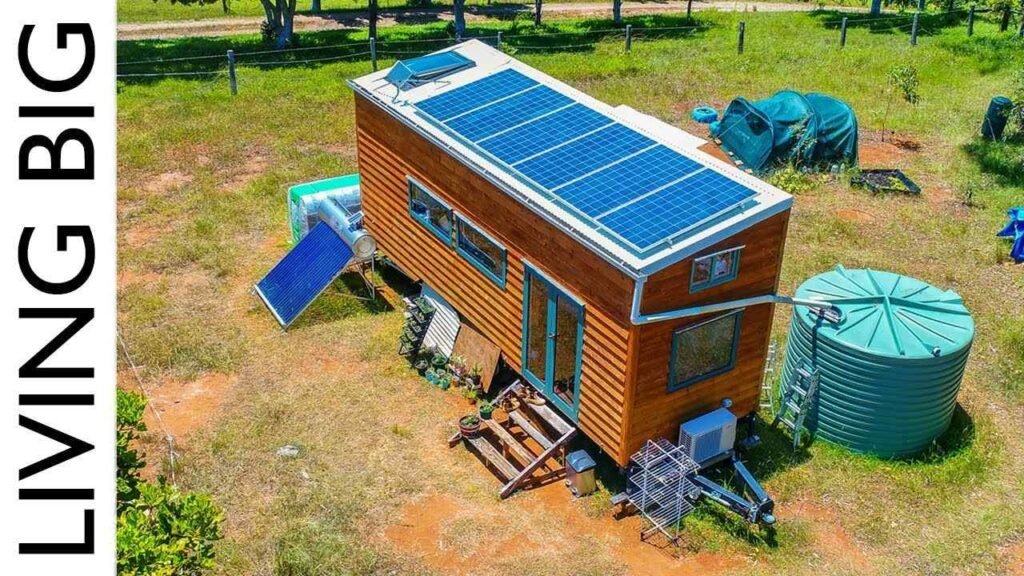
Rainwater harvesting is the go-to method: Gutters direct roof runoff into cisterns or tanks (500-2,000 gallons). In arid areas, consider hauling water or drilling a well.
Filtration systems, like UV purifiers or reverse osmosis, ensure potability. A basic setup costs $500-2,000, including pumps for pressure.
Pros: Free resource after setup. Cons: Seasonal variability and maintenance to avoid contamination.
Hot Water and Conservation
Propane or solar water heaters provide on-demand hot water without grid power. Tankless models save space and energy. To conserve, use low-flow fixtures—tiny houses often consume just 10-20 gallons per person daily.
Waste Management Systems
Handling waste off-grid requires eco-friendly solutions to avoid environmental impact.
Composting Toilets
These odor-free systems turn human waste into compost via aerobic decomposition. Models like Nature’s Head or Separett cost $800-1,500 and need no water or plumbing.
Greywater (from sinks/showers) can be diverted to gardens via simple filtration beds.
Pros: No sewer fees, nutrient-rich byproduct. Cons: Regular emptying and legal restrictions in some areas.
Septic Alternatives
For larger setups, a small septic tank or incinerating toilet might work, but composting is more sustainable for tiny spaces.
Heating and Cooling Systems
Climate control in a tiny house focuses on efficiency due to limited space.
Heating Options
Wood stoves or pellet heaters are popular for their simplicity and ambiance—models like the Cubic Mini start at $500. Propane furnaces or electric heaters (powered by solar) are alternatives. Passive design, like thick insulation (R-30+ walls) and south-facing windows, reduces needs.
In cold climates, radiant floor heating tied to solar can be effective.
Cooling and Ventilation
Fans, cross-breezes, and reflective roofing handle heat. Mini-split AC units (e.g., 12V models) run on solar but add to power draw. Earth-sheltered designs or awnings provide natural cooling.
Other Essential Systems and Considerations
Internet and Communication
Starlink or cellular boosters provide connectivity in remote areas—pair with low-power routers.
Cooking and Appliances
Propane stoves or induction cooktops (solar-powered) are efficient. Refrigerators should be energy-star rated, like 12V models.
Costs and DIY Tips
A full off-grid setup for a tiny house averages $10,000-30,000. DIY enthusiasts can start simple: A Reddit user outlined a basic solar system with panels, batteries, and inverters for under $5,000. Videos show setups installable in hours.
Legal aspects: Check zoning for off-grid living; some states require permits for solar or water systems.
Maintenance: Regular checks on batteries (every 6 months) and cleaning panels ensure longevity.
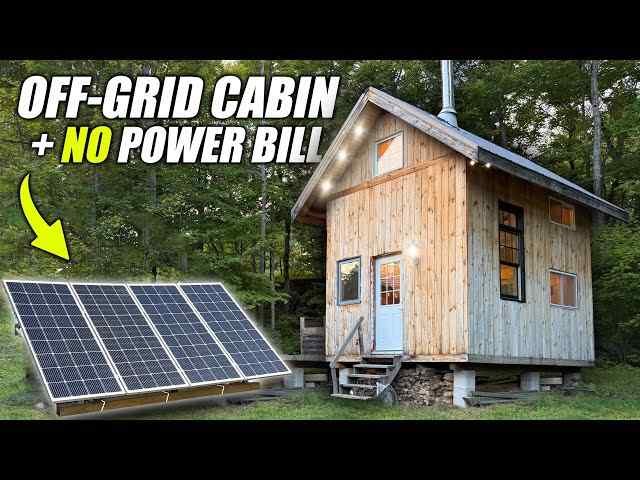
Sustainability: Off-grid systems reduce carbon footprints—solar alone can offset 100% of energy needs. For inspiration, high-tech tiny houses integrate smart monitoring for optimal efficiency.
In summary, off-grid tiny house systems empower a freer, greener life. Start with your energy audit, then scale up. If you’re in a sunny spot like Vietnam, solar viability is high. For more, explore kits from Signature Solar or consult local experts.