The Rise of Off-Grid Tiny Living
More people are leaving crowded cities behind and choosing a simpler, more sustainable lifestyle through off-grid tiny homes.
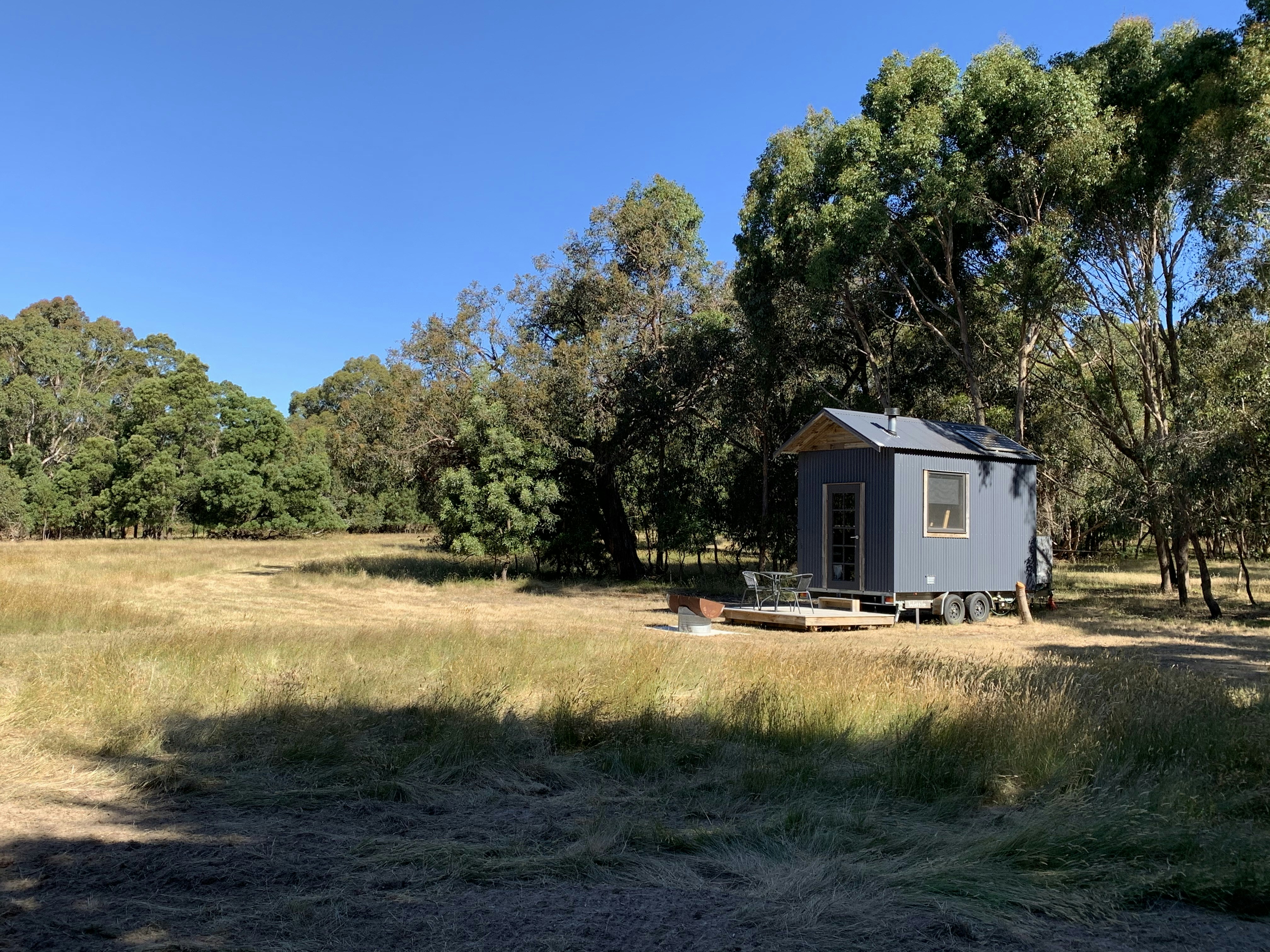
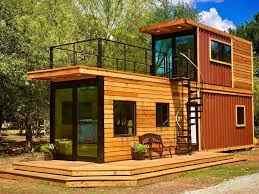
An off-grid tiny home is designed to operate independently from public utilities such as electricity, water, and sewage systems. These homes often rely on renewable energy and self-sufficient systems, making them ideal for remote living and eco-conscious lifestyles.
Why People Love Off-Grid Tiny Homes
1. Freedom From Utility Bills
One of the biggest benefits of off-grid living is reducing dependence on monthly utility expenses.
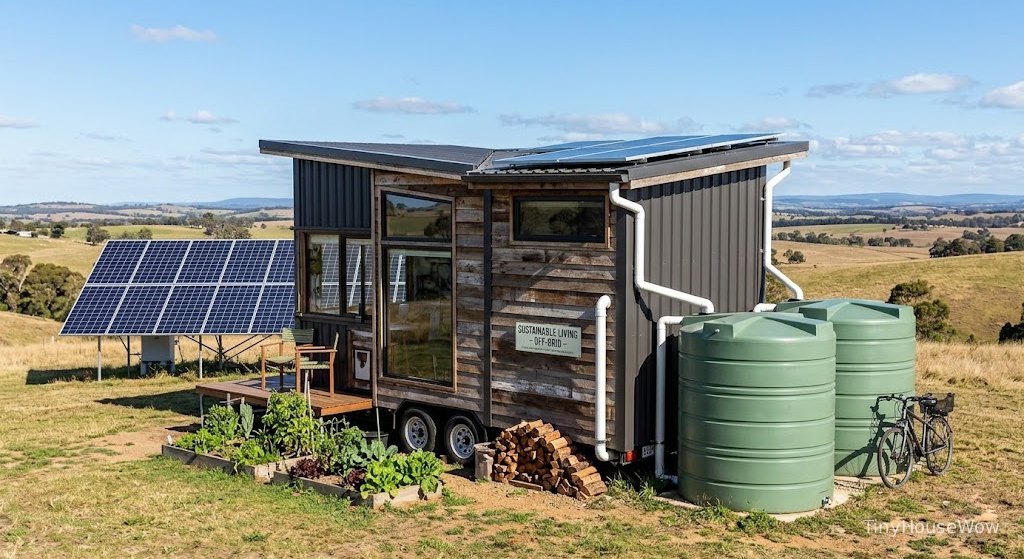
Many off-grid homes use:
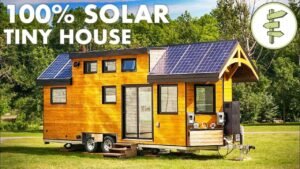
- Solar power systems
- Rainwater harvesting
- Composting toilets
- Battery storage systems
This setup allows homeowners to live more independently while lowering long-term costs.
2. Closer Connection With Nature
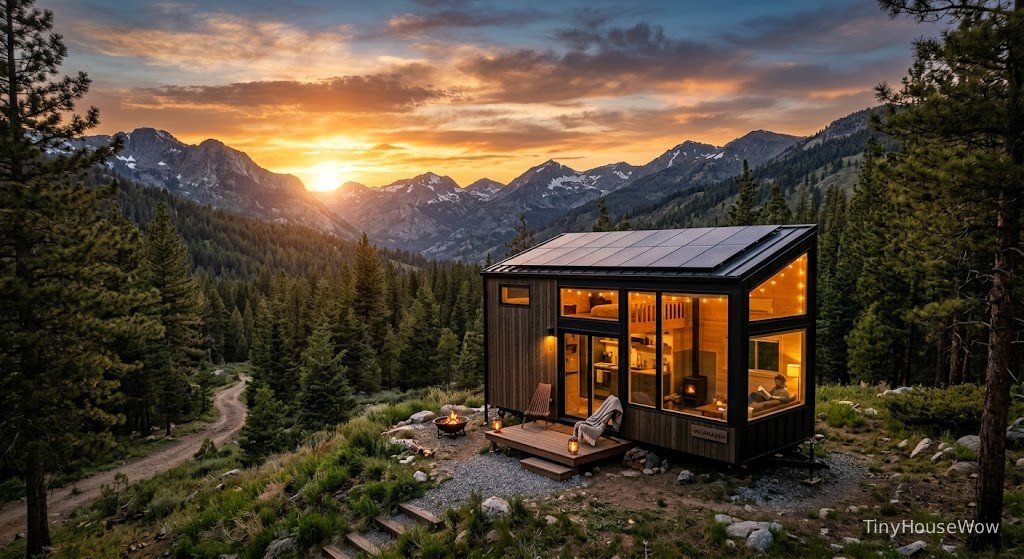
Off-grid homes are usually located in peaceful natural environments such as:
- Forests
- Mountains
- Lakesides
- Desert landscapes
Living closer to nature creates a slower, more intentional lifestyle that many people find mentally refreshing.
Smart Design in Small Spaces
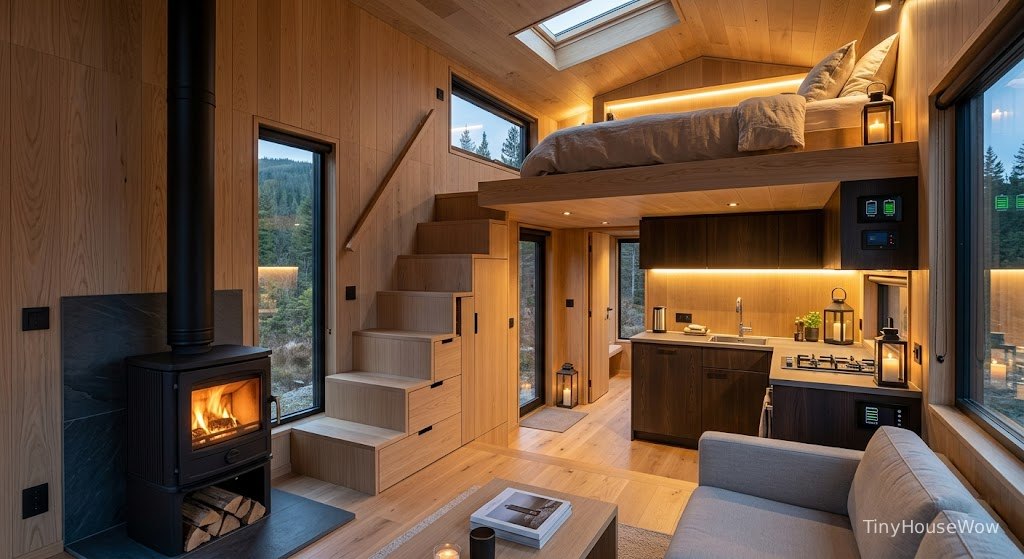
Modern off-grid tiny homes are designed to maximize comfort while minimizing energy usage.
Popular features include:
- Energy-efficient windows
- Multifunctional furniture
- Wood-burning stoves
- Loft bedrooms
- Passive solar design
Is Off-Grid Living Right for You?
Off-grid tiny homes are perfect for:
- Digital nomads
- Nature lovers
- Minimalists
- Eco-conscious homeowners
- Remote workers
However, successful off-grid living also requires preparation, maintenance, and lifestyle adjustments.
Final Thoughts
Off-grid tiny homes represent freedom, sustainability, and simplicity. As housing costs continue to rise, more people are embracing compact, self-sufficient living in beautiful natural environments.
For many homeowners, off-grid living is no longer just a dream — it’s the future.